
1
We test what’s actually causing the dizziness.
For dizziness, vertigo, and the unsteady feeling that makes you grab the counter, we retrain the systems that keep you upright. Hands-on maneuvers and balance work teach your inner ear and brain to work together again, so solid ground feels solid.
A real person calls you back, usually within two business hours.
Request sent.
That’s the hard part done. We’ll call during business hours to lock in your time. Most people are on the schedule same week.
Call us now insteadWhat It Is
Dizziness doesn’t always come from what you’d expect. Sometimes it’s your inner ear sending the wrong signal to your brain. Sometimes your brain just hasn’t caught up since an illness, injury, or one bad fall. Either way, the ground feels less solid, and you start moving more carefully than you used to.
Vestibular therapy starts with a cause-first evaluation to find exactly which system is misfiring. From there, your physical therapist uses hands-on head and neck maneuvers to reposition the inner ear. Balance exercises retrain how your eyes, ears, and brain talk to each other. Both work together to make steady ground feel steady again.
The goal isn’t just less dizziness: it’s fewer close calls and fewer grabs for the counter. You’re not ready to let a fear of falling shrink your life. Vestibular therapy retrains the system so you can trust your steps again.
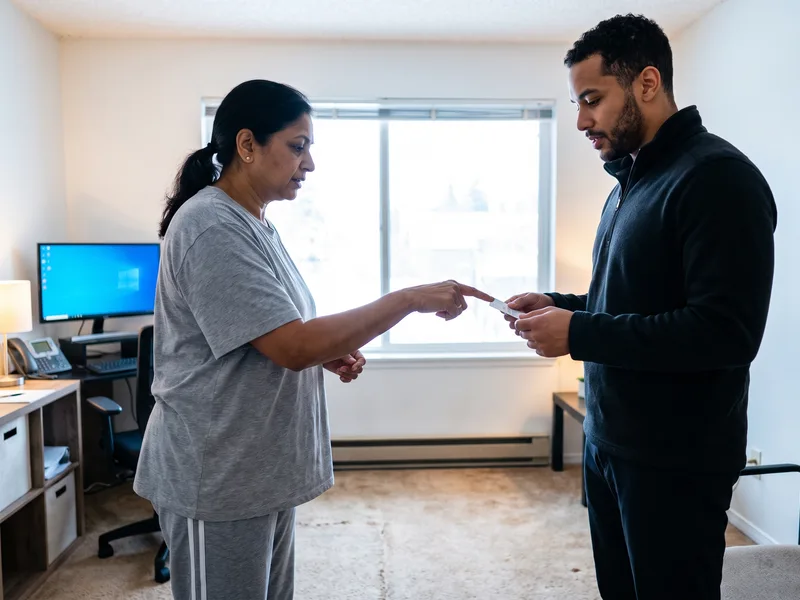 Hands-on, every visit
What It Helps
If a muscle feels locked no matter what you do, there’s a good chance a trigger point is the reason.
What A Session Looks Like
1
We test what’s actually causing the dizziness.
2
Hands-on maneuvers reposition the inner ear.
3
Balance drills retrain your brain to trust your feet.
Why It Works
Fewer dizzy spells, sooner.
Lower fall risk, backed by real retraining.
Confidence to move without grabbing for support.
One-on-one with a physical therapist, every visit.
Who It Helps
Pairs Well With
Questions, Answered
No. The maneuvers are gentle repositioning movements of your head and neck, and the balance work is guided at a pace that matches where you are. Some people feel briefly dizzy during a maneuver. That’s the dizziness we’re working to resolve, and it passes fast. Your physical therapist walks you through what to expect before we start.
Yes, and for many older adults, it’s exactly why we recommend it. Every session is one-on-one with a physical therapist, who paces the maneuvers and balance work to your tolerance. The goal is a steadier, more confident you. A lower fall risk, not a harder session than you can handle.
In most cases, yes: vestibular therapy is billed as a standard physical therapy visit, and most plans that cover PT cover it. Coverage still varies by plan, so we verify your exact benefits before your first session. Questions before then? Call us at (970) 569-3883.
Book Your Visit
Request a time and a real person calls you back, usually within two business hours. No phone tree. No ‘someone will reach out.’ Just a plan.
4.9 · 150+ Google reviews
Typical response: under 2 business hours
Step 1 of 5
That’s the hard part done. We’ll call during business hours to lock in your time. Most people are on the schedule same week.
Visit Us