
Weeks 1–2
Pain
Ease the stiffness.
Hands-on work and gentle movement calm rigidity and discomfort, starting your very first visit.
What We Treat
The steps that feel smaller than they used to. The balance you’ve started second-guessing. We can’t cure Parkinson’s, but a cause-first evaluation can help you hold onto strength, balance, and independence for as long as possible.
A real person calls you back, usually within two business hours.
Request sent.
That’s the hard part done. We’ll call during business hours to lock in your time. Most people are on the schedule same week.
Call us now insteadSound Familiar?
Two or more? Keep reading.
What We Can Actually Do
Let’s be honest about what physical therapy is and isn’t. It won’t cure or reverse Parkinson’s disease. What it does is give your body the best chance to hold onto strength, balance, and coordination for as long as possible, and research consistently shows that people who stay active with the right kind of movement maintain function longer than those who don’t.
A cause-first evaluation looks at how you actually move, your gait, your balance, your rigidity, your specific symptoms, not a generic checklist. From there we build a plan around the movements that matter most to your daily life: getting up from a chair, turning around safely, staying steady on stairs. The goal is simple: keep you doing the things you want to do, for as long as we possibly can.
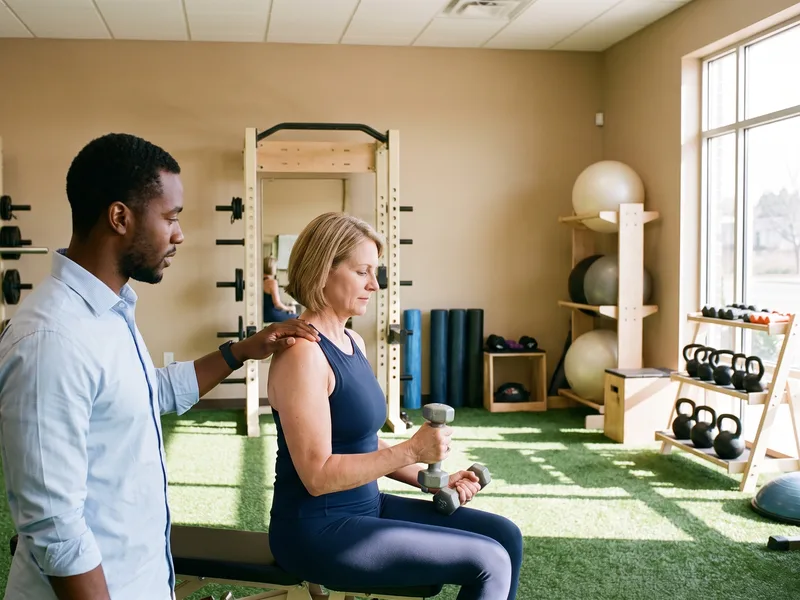
The Honest Truth
Nobody regrets starting too early. Every week, someone in our clinic says they regret waiting.
How We Approach It
Every plan has direction. Here’s what the four phases look like for Parkinson’s care.
Weeks 1–2
Pain
Hands-on work and gentle movement calm rigidity and discomfort, starting your very first visit.
Weeks 2–6
Prime
Targeted mobility work restores the range and ease that rigidity has been taking from your daily movement.
Weeks 6–10
Perform
Progressive strength and balance training targets the falls risk and daily tasks that matter most to you.
Ongoing
Prevent
Prevent isn’t a graduation, it’s the long game: periodic check-ins and an updated home program keep your strength, balance, and independence protected for the years ahead.
We treat the cause behind parkinson’s disease, not just the symptom, with a plan built around what you actually need.
Our approach · Parkinson’s disease
Before care: parkinson’s disease getting in the way of daily life
With a plan: steady progress, built around your actual goals
Questions, Answered
No, and earlier is genuinely better here. Colorado allows direct access to physical therapy, so you don’t need a referral to start. Research consistently shows that staying active earlier in the disease helps preserve strength, balance, and mobility longer than waiting does. A cause-first evaluation meets you exactly where you are now, whether symptoms are mild or more advanced, and builds a plan around it.
Yes, it’s safe, and exercise doesn’t worsen the tremor itself. The right kind of movement, dosed correctly, is one of the few things shown to help maintain function as Parkinson’s progresses. A physical therapist tailors intensity and pace to your specific symptoms and stage, one-on-one, every visit, so you’re always working within what’s safe and useful for you.
We won’t pretend Parkinson’s has a finish line, because it doesn’t, and we won’t claim PT cures it. What you get is a real plan: an initial stretch through Pain, Prime, and Perform to build strength and balance, typically 8–10 weeks, followed by a Prevent phase of periodic visits to protect what you’ve built. You’ll always know which phase you’re in and why, instead of an open-ended, undirected string of appointments.
Book Your Visit
Request a time and a real person calls you back, usually within two business hours. No phone tree. No ‘someone will reach out.’ Just a plan.
4.9 · 150+ Google reviews
Typical response: under 2 business hours
Step 1 of 5
That’s the hard part done. We’ll call during business hours to lock in your time. Most people are on the schedule same week.
Visit Us