
Weeks 1–2
Pain
Manage the pain and swelling.
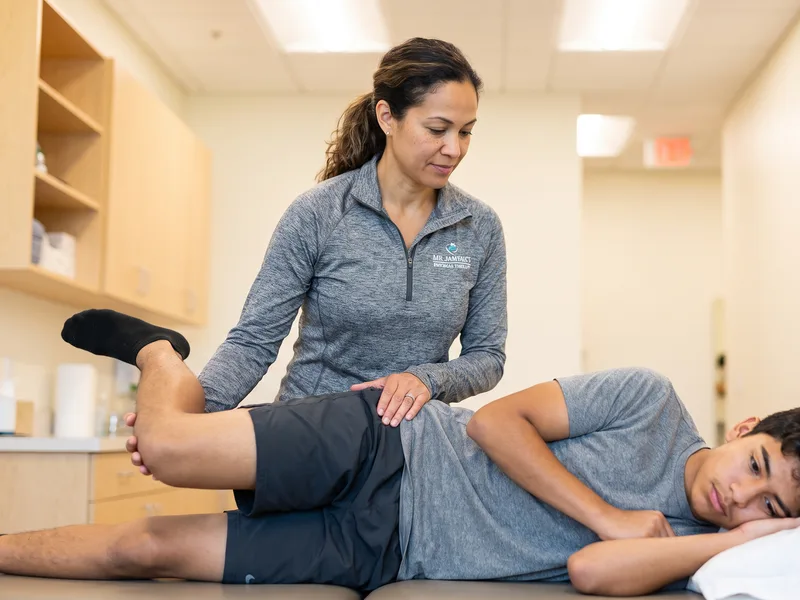
Hands-on techniques and guided movement calm post-op pain and swelling, or prepare your body if you’re still headed into surgery.
What We Treat
Surgery is one day. Getting your life back is the part that actually takes work. It starts with a cause-first evaluation, one-on-one with a physical therapist, before and after you ever get to the operating room.
A real person calls you back, usually within two business hours.
Request sent.
That’s the hard part done. We’ll call during business hours to lock in your time. Most people are on the schedule same week.
Call us now insteadSound Familiar?
Two or more? Keep reading.
Why It Matters
A surgeon can repair a joint, a ligament, or a disc. What happens next, whether you actually get your strength, motion, and confidence back, depends on the work done before and after. Going into surgery stronger and more mobile shortens your recovery. Coming out of surgery without a real plan is how people end up stiff, weak, and hesitant to trust the area months later, surgery or not.
A cause-first evaluation looks at your specific procedure, your goals, and how your body is actually moving right now, not a generic protocol pulled off a shelf. Whether you’re prepping for the operating room or a few weeks past it, the plan gets built around getting you back to your daily life, your work, and your sport. Not just healed on paper.
The Honest Truth
Nobody regrets starting too early. Every week, someone in our clinic says they regret waiting.
How We Fix It
Every plan has an endpoint. Here’s what the four phases look like before and after the operating room.
Weeks 1–2
Pain
Hands-on techniques and guided movement calm post-op pain and swelling, or prepare your body if you’re still headed into surgery.
Weeks 2–6
Prime
Targeted mobility work restores the range of motion surgery and recovery time tend to take away.
Weeks 6–10
Perform
Progressive strengthening rebuilds the muscle that surgery, swelling, and downtime let go quiet.
Weeks 10+
Prevent
Your specific work tasks, sport, or activity get tested under real load before you’re cleared to go all-in: that’s the endpoint, not just another appointment.
We treat the cause behind pre & post-surgical rehab, not just the symptom, with a plan built around what you actually need.
Our approach · Pre & post-surgical rehab
Before care: pre & post-surgical rehab getting in the way of daily life
With a plan: steady progress, built around your actual goals
Questions, Answered
Not at all, that’s actually the ideal time. Going into surgery stronger and more mobile, sometimes called ‘prehab,’ is linked to a faster, smoother recovery afterward. You don’t need a referral to start either, Colorado allows direct access to physical therapy, so we can begin preparing your body as soon as your surgery date is on the calendar.
Yes, when it’s dosed correctly. We work directly within your surgeon’s protocol and precautions, and a physical therapist checks in with you one-on-one, every visit, to make sure movement stays within what’s safe for your specific procedure and timeline. Moving the right amount, the right way, is usually what protects your recovery, not what threatens it.
It depends on your procedure, but the structure stays the same. A full plan runs through all four phases, Pain, Prime, Perform, and Prevent, typically over 8–10 weeks or longer for bigger surgeries, built around your return to work, sport, or daily life. Either way, you get a plan with an endpoint: you’ll always know which phase you’re in and what’s left, not an open-ended string of appointments.
Book Your Visit
Request a time and a real person calls you back, usually within two business hours. No phone tree. No ‘someone will reach out.’ Just a plan.
4.9 · 150+ Google reviews
Typical response: under 2 business hours
Step 1 of 5
That’s the hard part done. We’ll call during business hours to lock in your time. Most people are on the schedule same week.
Visit Us