
Weeks 1–2
Pain
Build a safe foundation.
We assess your current strength, balance, and movement patterns, and start safe, guided exercise from your very first visit.
What We Treat
Relearning to stand, to walk, to use the hand that used to just work. Recovery takes real, patient work, and it starts with a cause-first evaluation of what your body can do right now, not a guess.
A real person calls you back, usually within two business hours.
Request sent.
That’s the hard part done. We’ll call during business hours to lock in your time. Most people are on the schedule same week.
Call us now insteadSound Familiar?
Two or more? Keep reading.
Why It Happens
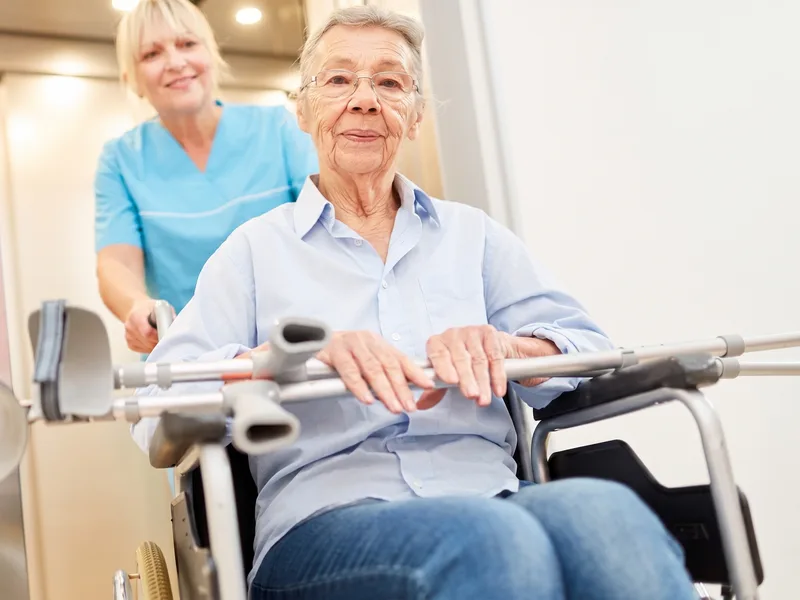
You’ve spent a lifetime being the one everyone else counted on. A stroke doesn’t erase that. It just means the comeback needs the right help behind it.
No two strokes affect the body the same way, and recovery is never just one thing. It’s usually some mix of muscles that lost conditioning, balance and coordination signals that need to be relearned, movement patterns your brain and body are still practicing together, and a hesitance to move that builds after a fall or a scare.
That’s why a real, cause-first evaluation matters. We test what you can do today, safely, and build the plan from exactly there. Physical therapy can’t undo what the stroke did. What it can do is help you rebuild the strength, coordination, and independence you’re capable of, one honest step at a time.
The Honest Truth
Nobody regrets starting too early. Every week, someone in our clinic says they regret waiting.
How We Fix It
Every plan has an endpoint. Here’s what the four phases look like for stroke recovery.
Weeks 1–2
Pain
We assess your current strength, balance, and movement patterns, and start safe, guided exercise from your very first visit.
Weeks 2–6
Prime
Targeted movement work retrains the connection between your brain and the muscles relearning how to work together.
Weeks 6–10
Perform
Progressive strengthening and balance training closes the gap between where you are and where you’re capable of getting.
Weeks 10+
Prevent
Ongoing strategies for balance, strength, and fall prevention help you hold onto the progress you’ve worked hard to make.
We treat the cause behind stroke recovery, not just the symptom, with a plan built around what you actually need.
Our approach · Stroke recovery
Before care: stroke recovery getting in the way of daily life
With a plan: steady progress, built around your actual goals
Questions, Answered
Not in Colorado. The state allows direct access to physical therapy, so you can start your evaluation without a referral. That said, we’re glad to coordinate with your neurologist or physician if you’re still under their care, and we’ll keep them updated as your plan progresses. You don’t have to wait on paperwork to start rebuilding strength and mobility.
Yes, when it’s dosed and supervised correctly. Movement is actually one of the most important parts of recovery, but it needs to be the right movement, at the right intensity, for where you are right now. That’s exactly what a physical therapist evaluates at your first visit, then progresses safely and carefully as your strength and balance improve.
Physical therapy can’t undo the damage a stroke causes, and we’ll always be honest with you about that. What it can do is help you rebuild as much strength, coordination, and independence as your body is capable of, through consistent, guided work. A full plan runs through all four phases, Pain, Prime, Perform, and Prevent, typically over 8–10 weeks to start, with many patients continuing longer-term maintenance work. Either way, you get a plan with an endpoint you understand, not an open-ended string of appointments.
Book Your Visit
Request a time and a real person calls you back, usually within two business hours. No phone tree. No ‘someone will reach out.’ Just a plan.
4.9 · 150+ Google reviews
Typical response: under 2 business hours
Step 1 of 5
That’s the hard part done. We’ll call during business hours to lock in your time. Most people are on the schedule same week.
Visit Us